Sam Norton

Journalist specializing in stories about the environment, climate change, ecological research, and living with the great outdoors. Featured in Trails Magazine, Switchboard Magazine, Wild Ohio Magazine, the Maine Monitor, Adirondack Life, and more. Based in Columbus, Ohio.

Contact me: samnorty228@gmail.com

Featured Stories

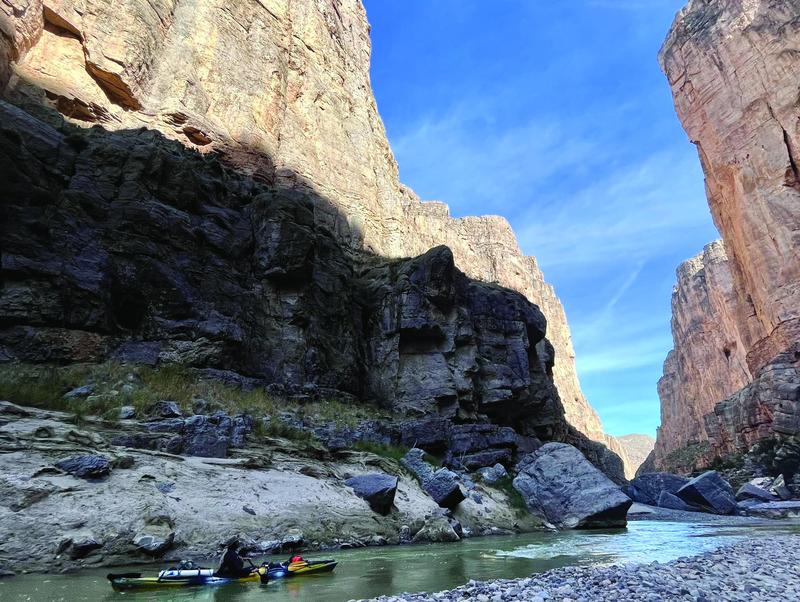
Border Standoff - The potential for a wall cutting off water access in Big Bend has local recreators up in arms.

Billy Bartko, along with his wife, Jessica, have owned the local outfitter, Far Flung Outdoor Center, for over two years. But he’s been mesmerized for decades by the seemingly untouched desert landscape. So he was appalled when, in February, then-Secretary of Homeland Security Kristi Noem announced her department would construct a border wall through the park.
Photo by James Mirakian on Pexels

Facing Failure: Did the wilderness have anything left for me?

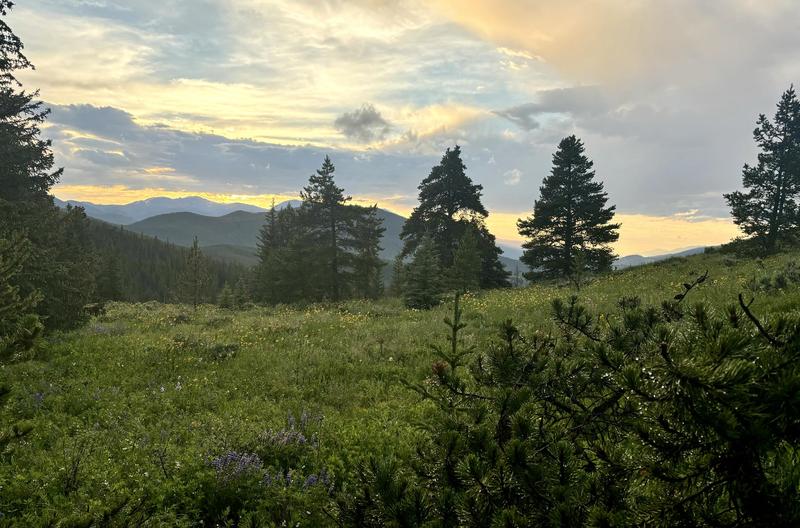
Changing my plan and choosing shorter days on the trail were no longer failures. They were simply choices made after learning some tough lessons. The Adirondack High Peaks, through their rugged trails and natural tranquility, had been exactly what I needed. Sitting atop Mount Marcy, mangoes in hand once again, I beamed at my rekindled joy for the outdoors. All it took was a few summits and a serene lake.

$4.6 million awarded for wetland restoration around the state

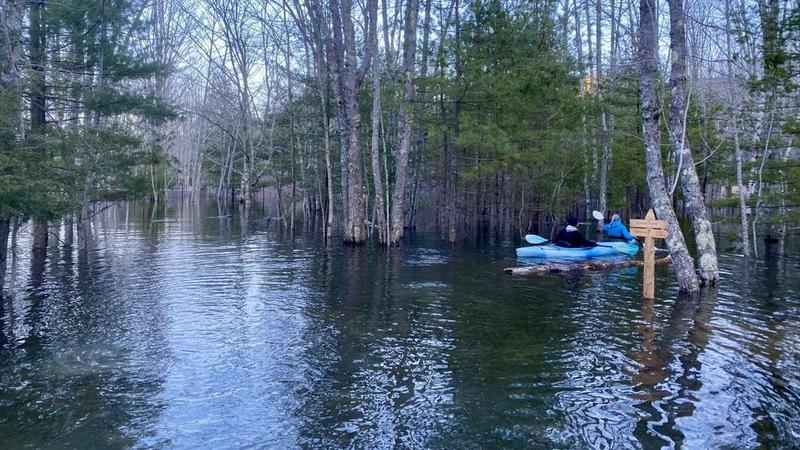
Ten wetland restoration projects will receive $4.6 million from the Maine Natural Resource Conservation Program, including funding for a project in Acadia National Park to improve the park’s largest freshwater wetland, which has seen extensive flooding in recent years, and money to remove dams on the Royal and Nezinscot rivers in Yarmouth.

“The diversity of projects is what’s most exciting for me as we look forward to seeing these implemented,” said Bryan Emerson, a mitigation program manager wi...

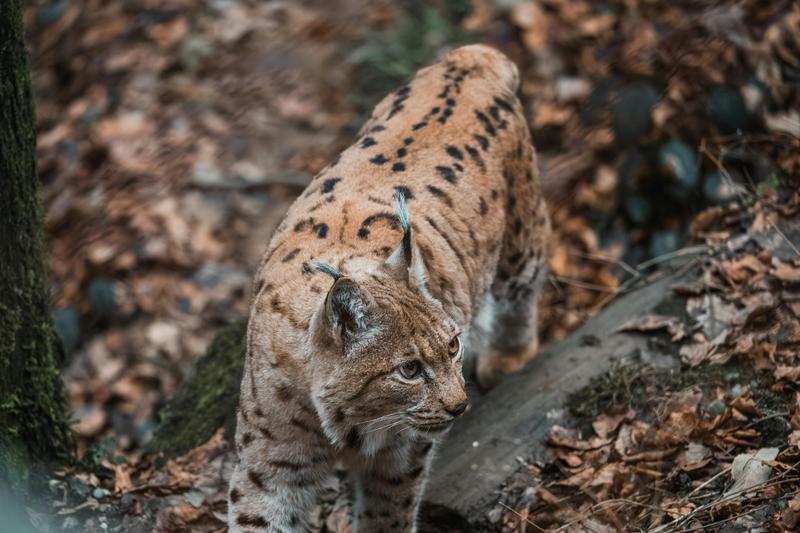
The Miami University... Bobcats? First confirmed sighting of elusive cat promises hope for returning biodiversity

A small, fluffy tan creature jumps onto a fallen log, surveys the immediate area, lets out a snarl, and stalks out of frame. The sharp ears, short tail, small stature and quick appearance on my computer screen caused my train of thought to come to a grinding halt. I immediately sit up in my bed as I’m not quite sure exactly what I’ve just seen

I replayed the first two seconds of the video. I replayed it again. I was amazed. Right in front of me was crystal-clear footage of a bobcat, captured on a camera that I not only had been at that very morning, but that was also no more than a few hundred yards from a pedestrian trail and just next to state route 27.

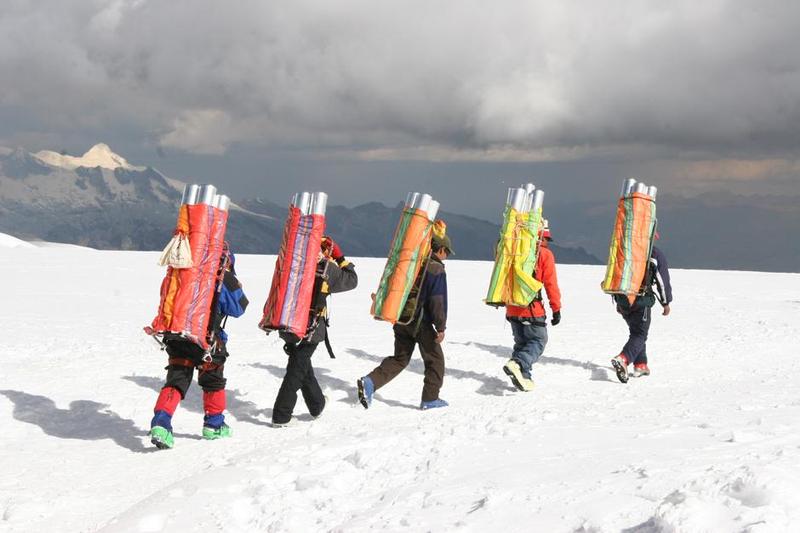
Collecting Data at the Top of the World - How Scientists Retrieve Glacial Ice Cores

A helicopter touches down in the small town of Sicuani, Peru, at an elevation of 11,644 feet. Earlier that day, a boxcar brought fuel, drills, food, and other equipment for a glacial expedition. The year is 1979, and glaciologist Lonnie Thompson is preparing to lead a team to the Quelccaya ice cap in hopes of becoming the first scientists to drill an ice core sample from this glacier.

Online Portfolios